Sharing Writing

I have a love/hate relationship with showing my writing to other people. Sometimes I’ve written a blog post or poem or essay that I really want someone to read, and sometimes I never want another person’s eyes to see the disaster I just created. Occasionally, I’ll write only for myself, things too private to share with others. But since most of my writing is academic, I often end up showing it to others- professors for grading, friends for critiquing, and classmates for editing.

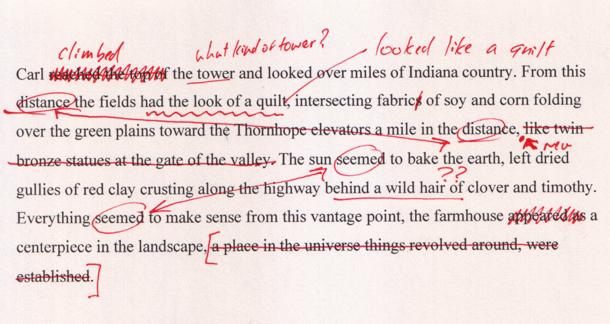
I’ve been taught the importance of peer editing ever since middle school. I remember when we would sit in groups of four, our desks pulled forward to form awkward circles, and passed our papers to the left. Or sometimes to the right, if we felt like shaking it up a bit. We had to edit with pen- pencil wasn’t allowed. We were supposed to look for grammar and formatting mistakes. In middle school papers, there were quite a lot of those. My teacher had a specific system with different shaped squiggles and slashes for specific mistakes: circling letters that should be capitalized, underlining misspelled words, etc. I won’t bore you with the details. But the point is, that’s where I first learned how helpful peer editing could be. Other people see mistakes in your writing that you would miss otherwise. We can be blind to our own typos and mess-ups.

High school taught me more nuanced forms of editing: looking for the flow of paragraphs, topic sentences, evidence for theses, correct citations, and other complicated things. While it was difficult at first, editing others’ papers helped me be able to edit my own far more objectively and concisely. And giving my paper to others allowed me to access feedback that I desperately needed, and tips I may not have thought about. A lot of the things I learned from peer editing groups in high school, I regularly use now in college.

However, that’s just the academic side of things. Showing my creative writing to people has always been far more difficult. For one thing, judgement seems a lot more harsh when it’s your heart and soul and ideas poured onto a piece of paper as opposed to just a response to a prompt. For another thing… I rarely have a substantial amount of creative writing to show anyone these days. With the large amounts of academic writing I’ve had to do for school, my time for writing creatively has dwindled to almost nothing. Whenever I do have a bit of time to write on my own, it’s usually plot outlining that no one sees, because it’s so rough and unedited, or a blog post that is immediately posted without any time for extensive review, because there are deadlines. I haven’t written a story and showed it to someone since November of 2018 when I tried and failed to complete NaNoWriMo (National Novel Writing Month). I really need to try and make more time to write creatively, and share it with others.

All things considered, I think that everyone should share their writing with someone. Who they share it with depends on the type of writing. If it’s a personal poem, share it with someone close to you. If it’s an essay, share it with a classmate. Feedback, constructive criticism and validation are all very important for any writer, and you can only do so much by yourself.
John Grisham’s Writing Process

John Grisham, author of famous legal thriller books like “The Firm” and “A Time to Kill” has a very interesting, specific writing routine. He’s been writing for a long time, and so he has a methodical process with details that have been well thought out.

One thing I thought was interesting was his schedule for writing- he says that he always tries to start a book on January 1st, with the goal of writing it in 6 months and usually being done by July. I don’t know if I could hold myself to that rigid of a schedule, and he says that he’s been doing it for at least 20 years. That’s a method that works for him, and I’m impressed that he’s been doing the same thing for so long- and with success.

Something about writing that we have common is that we don’t write the first scene until we know the last scene. I personally can’t begin writing a book without knowing what the ending of the book is going to be, what it’s leading up to and at least some idea of how it’s going to get there. Otherwise, how are you supposed to know how to start? He says he does that so that when he starts the book, he knows how it’s going to go, and once he does start writing, “there aren’t many down days.” I personally struggle with writer’s block and lack of time to write even when I know most of the plot points, the ending and the beginning, so that’s crazy to me as well.

All in all, his process is very well planned out, and it seems to work well for him. I don’t think I could be that crazy-scheduled; I need at least a little bit of spontaneity. But good for him that he’s been holding to a structured pattern for that long, and written so many successful books with it.

College Introvert Life Hacks

Some of you are extroverts. If you are, good for you! Have fun going to parties and living it up with your massive friend groups and explosive personalities. You all are awesome. This post probably isn’t super relevant to you, though.

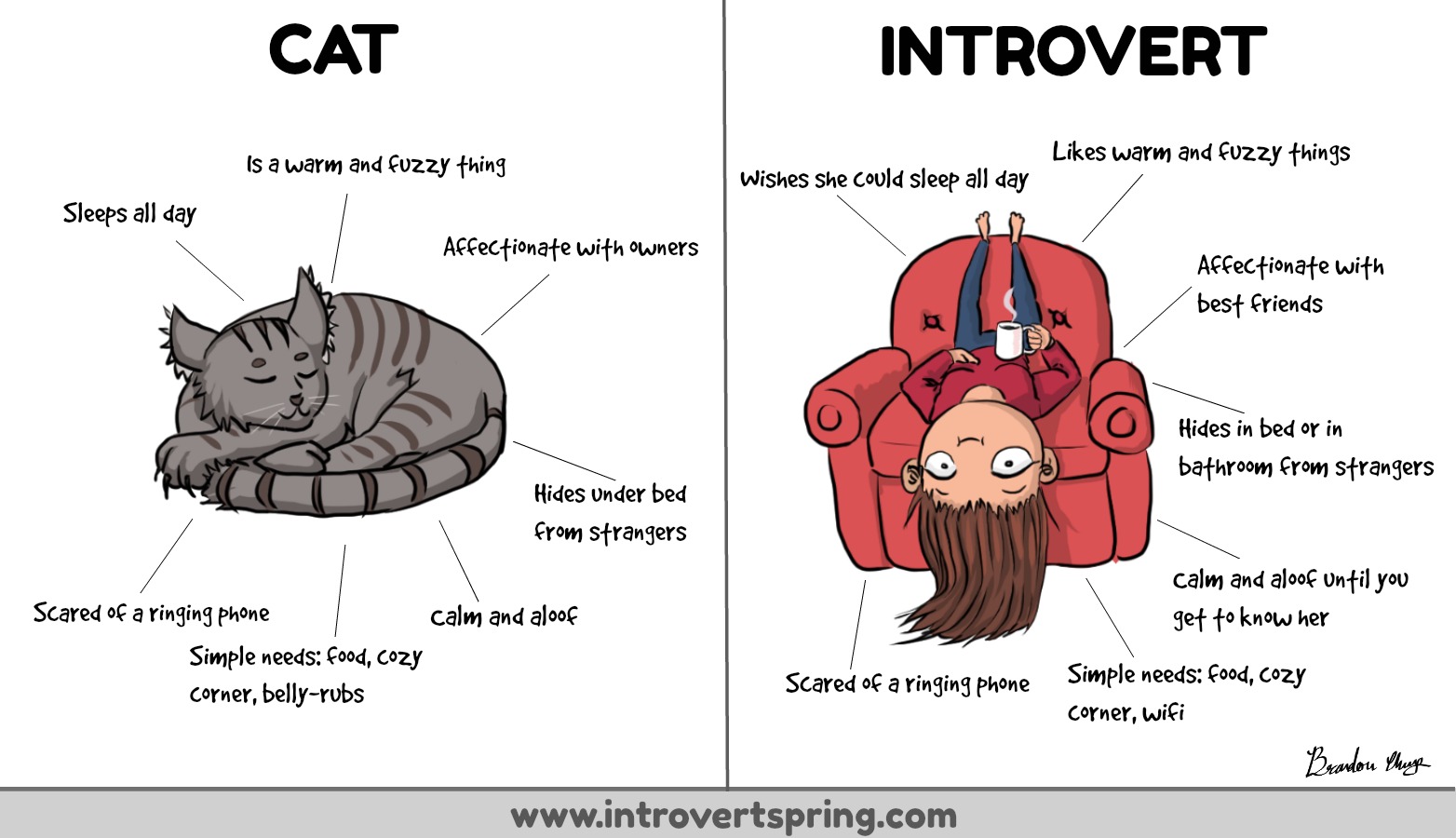
Most of the rest of you, then, are introverts. If you’re stuck reading my blog, chances are you’re an introvert anyway. As much as we like people, we need time alone to recharge and chill out. Sometimes a night of staying in our dorm rooms and watching YouTube on our laptops sounds better than going to the Bruin Brawl or Trivia Night or whatever other exciting thing George Fox Activities has planned. Maybe I’m only speaking for myself, I don’t know. But if you think any of the above statements are somewhat relatable, read on for a couple of tips that I use when I just need to introvert for a little while.

Places to hang out:

Optimally, your dorm room. If you have a considerate roommate, or maybe one who is an introvert like yourself, then the dorm should be a great place to hide out and relax. No one to come in and judge you, no loud noises (unless you’re unlucky), and everything you need. Most college students have laptops- which are great to carry around with you, and you can use it on the desk or the floor or the bed or anywhere. There are good places to sit, things to do, and room to just be yourself. You might even have access to a hoard of snacks, if you’re like me and always want to snack on something. There’s always the danger of conversation with a roommate, but if both of you are chilling/working on homework, then a lot of the time the room can be quiet. And if it’s not, there are other options.

The library is also a good place to go, if not the number-one best. It can get a little loud in there, due to other peoples’ conversations, but if you sit by yourself usually no one will bother you. There are plenty of comfortable corners and little secluded places to be alone, even when surrounded by other people. The one at GFU even has a little coffee machine where you can get your caffeine fix if necessary. There are books to read (though a college library mostly has dry textbooks), people to interact with if necessary, and proximity to other places that you can get food if you want. Though the dorm is preferable, the library works well too.

Things to do:

What I usually do when I get some time to myself and need to “introvert” or de-stress is I sit and watch YouTube videos. These can be funny compilations, animations, animals, music, basically anything I feel like at the moment. If I’m not careful I can waste hours just watching “Try Not to Laugh” videos or, more shamefully, “America’s Got Talent” auditions.

Watching videos is fun and can make you laugh, but if you don’t want to feel like you’re letting time slip through your fingers and you still want to relax, there’s always reading a book. Underrated these days, I know, but it was my favorite thing to do as a kid and it still is now. It can be hard for me, as a college student, to get access to my favorite kind of book (a fantasy novel). But if I can get hold of one, it’s worth it. Reading both relaxes and engages your mind, and I can spend hours engrossed in a good story just as well as a lighthearted video. Do whatever your heart desires, though- watching movies, reading books, writing stories, just lying on the floor looking at the ceiling. Whatever you need to do to de-stress.

Things not to do:

Don’t force yourself to spend time with people if you need a little bit of time alone. It’s perfectly fine for you to relax a little bit by yourself. However, that doesn’t mean spending time with people is bad- just make sure to judge whether you need to be with friends or you need some space.

Don’t feel bad for being alone. Humans are social creatures, so even when introverts feel the need to be alone we can still end up lonely. Give yourself time to be apart, to be with yourself, and then seek out the people that you love to spend time with. A healthy balance of social interaction and self-time is key for being a fully functioning introvert in a mostly extroverted society.

In Conclusion:

It can be hard to be an introvert sometimes. Especially in college, when you’re surrounded by people. But it’s definitely doable, and worth the time. Even if you’re not in college, wherever you are in life, make sure to give yourself space if you need it.

My College People and their Top 10 Qualities

Roommate Qualities:

  1. Naming plants “Dolores” and “Ferb”
  2. Showering with said plants
  3. Owning a plush gnome
  4. Letting me use the fridge
  5. Giving me inspirational quotes mumbled by a Bob Ross figurine
  6. Showing me hilarious videos and Snapchat filters
  7. Buying me hot chocolate that one time
  8. Making Photoshop masterpieces
  9. Asking before letting her friends come over
  10. Vacuuming and cleaning up despite my messy side of the room

My roommate is awesome and I am blessed to know her

Friend Qualities:

  1. Sharing memes
  2. Showing me how to play badminton
  3. Getting obsessed with a show or video game and sharing everything about it
  4. Putting up with my puns
  5. Coming to my choir concerts
  6. Ranting about their classes and listening to me rant about my classes
  7. Giving me a dollar in lieu of the tooth fairy
  8. Bursting into song at random moments
  9. Talking until hours after the Bon closes
  10. Supporting me through the good times and the bad

My friends are awesome and I am blessed to know them

Boyfriend Qualities:

  1. Being my best friend first and foremost
  2. Framing his schedule around mine
  3. Telling me about his day
  4. Letting me know when something’s wrong
  5. Smiling
  6. Laughing
  7. Wreaking havoc on my self-doubt
  8. Buying me food when I work through the Bon’s dinner hours
  9. Learning about me and understanding my flaws
  10. Loving me, and letting me love him

My boyfriend is amazing and I am so blessed to know him

Self Qualities:

  1. Setting up a calendar with my schedule
  2. Eating healthier
  3. Working out regularly
  4. Getting to class on time
  5. Making time for my friends
  6. Doing things I enjoy
  7. Getting things done despite procrastination
  8. Acknowledging and moving past my flaws
  9. Trusting myself
  10. Being myself

As hard as it is sometimes, I realize that though I am not perfect, I am a good person and I am working on being better. I am blessed in so many ways and my life improves every day. I am human, but I am loved by others and I should try to love myself.

In the meantime, I am blessed to be here and be surrounded by so many good people.

I love you all.

The Process of Macaroni and Cheese

On any list about comfort foods, you can bet that macaroni and cheese will make the top ten. It’s warm, cheesy, gooey, filling, reminds people of their childhood- it ticks off any and all boxes for comfort food that could be ticked. But, such a simple recipe inevitably inspires many variations. From the boxed Kraft mac and cheese to fancy baked six-cheese versions, everyone has their own. This post is to argue about the process of my simple, three-ingredient mac and cheese with an uncommon ingredient, and why it is the best option.

This version is simple to make due to its small number of ingredients, and the short time it takes to cook. All you need is some pasta (any kind of macaroni will work), some cheese (I prefer to cut some cheddar cheese) and the unusual ingredient: a can of tomato sauce.

Now, hear me out. I can already hear my friends’ noises of disgust at the mention of tomato. A lot of people don’t like it. Mostly, the idea of tomato in macaroni and cheese sounds disgusting, or at least unusual. But trust me when I say it’s actually really good. It doesn’t taste out of place or clash with the cheesiness or anything. The flavors meld together very well and balance each other out.

But back to the process of making it. Again, it’s very simple.

  1. Cook the pasta. You should know how to do this; boil some water in a pot, put the noodles in, stir occasionally, take them out when they’re al dente (soft on the outside, but still slightly firm on the inside. Make sure you don’t let them get soggy, but don’t under-cook them either. If the noodles crunch, they’re not done).
  2. While the pasta is cooking, chop up some cheese. Cheddar is best, but other kinds can be fine too. There isn’t any specific ratio to use here, it’s simply according to taste and how cheesy you want your pasta to be.
  3. Drain the pasta and then put it immediately back in the warm pot (off the heat though so the noodles don’t burn). Then put the cheese you chopped into the pot, stir it in, and put the lid on the pot to trap the heat into it. The heat from the pasta will make the cheese melt, so leave it for five-ten minutes to allow that to happen. Feel free to add more cheese if it turns out you didn’t chop enough.
  4. Stir the pasta and the cheese together, then leave it to stick together for a couple of minutes while you grab the tomato sauce. If you add the sauce in too soon, then the cheese will pull away from the noodles which makes an unpleasant, grainy texture.
  5. Add the tomato sauce. Again, it depends on how much you’re making: when I make it for about seven people I generally use the whole can, but feel free to go heavy or light on the tomato. Either way, the whole thing should have a reddish-orangeish tint and look gooey and cheesy.
  6. Eat! It’s not allowed to get cold. Eat it while it’s still warm. Have one bowl, maybe two. You know you want it. Treat yourself. It’s good.

This is how to make the best macaroni and cheese you will ever eat. Trust me- it’s that good. I mean, all mac and cheese is good, but this stuff is top tier. A can of tomato sauce will take one of the best foods ever and make it heavenly. So enjoy!

Success in Writing

It’s hard for me to feel successful when I write.

When I was a little kid, I would always love the things I’d written. At every word of praise coaxed from my mother, I would glow; at every time I made my cousins laugh, I would shine with pride. I was convinced that I was the best writer ever, and that everything I wrote was great. I knew that once I grew up, I would write the best books ever written, and everyone would love them too.

Then, the doubt set in.

It started first with being compared to my sisters and cousins. I used to illustrate my books when I wrote them, because I enjoyed drawing almost as much as writing. But as my younger sister and my two cousins began to put more time into art, I started to feel inferior. They would nitpick things about my drawings, tell me what I’d done wrong, and as much as I would try to fix it, the criticism kept coming. Or worse, they’d smile vapidly and tell me it was great while sketching their own amazing piece of art and not giving mine a second glance. We had art contests sometimes, and I would always lose. My desire to draw tapered off until it was almost nonexistent, and I turned to just writing instead. But even then, the doubt of others being better had been put into my mind.

Then, I went to school. Middle school, where any sort of pride and joy I took in my writing was taken for bragging, and any sort of leadership or proactiveness I displayed was taken as bossiness. My peers were the instigators of this, not my teachers- their criticism and praise were always earned and appreciated. But children take to heart the words of their friends, and as my skills were casually maligned I stopped taking as much pride in my work. I stopped writing for fun as often as I used to, both for lack of time and lack of desire. I stopped showing my writing to people. I still loved to write, but I never felt like it was good enough. I would never finish projects I’d started. I doubted my own capabilities to even put the story that I wanted on paper. The few times I would show things to people, I would either get some praise (which I would smile at but then forget or assume was insincere), some criticism (which I would take to heart and add in, but wish for a few kind words as well), or worse, an incredulous look or laughter at some mistake I’d made. Most crushing of all was complete indifference, the most common response. I would anxiously send a draft of some creative writing piece to a friend, only to have the email sit unopened in their inbox for an entire semester.

Those were the things that slowly began my self doubt, which manifested itself not only in writing, but soon in physical appearance, intelligence, and any other category I’d once taken pride in. Art was long forgotten, and I’ve still never found the courage or desire to pick it back up again. Writing slowed, joy dimmed, and all thoughts of confidence were left behind in the dust. I would still write, but whenever I made a mistake or couldn’t progress further, the depression would set in and tell me I wasn’t good enough to continue. So I didn’t.

The doubt still lives in me, no matter how hard my boyfriend and friends and I try to work on it. College has been helpful so far: the independence and responsibility have assisted my taking charge of myself and my passions. As much as I am improving, though, it is slow work. On one day I may look in the mirror and feel proud of myself for all I’ve done. The next day I’ll glance in and feel a strong surge of shame in my reflection. Knowing I hadn’t done enough, I didn’t look good enough, I wasn’t smart enough. Days alternate, and I’m steadily getting better… but no one can recover instantly or completely from the dark pit of doubt.

My doubt is holding my mind hostage, and regaining control will take a long time.

With that being said, I have been able to find some small success in pieces that I write. A well-crafted sentence that brings a vivid image to mind will make me smile. Compliments on a concise article, an A on a paper I’d struggled over, excitement at the beginnings of a story… all of these bring some small vestige of success to me. These things make me feel happy. I know that I worked to achieve them. However, I have yet to be truly successful: to write an entire book and have it be loved.

I don’t need it to be popular. I don’t need it to be famous. I don’t need to be rich. If one person can honestly say that they love the book I’ve published, that it has inspired them, that they want to read more, I will feel like I have been successful. For me, part of the joy in creation is sharing my love of a story with others. Once I can do that, once I can put one of my novels to paper and have someone else enjoy it as much as I had, then I will finally know success.

Crowd Navigation

Some people are born for crowds. They have a natural sense of navigation, don’t mind the invasion of personal space, or just feel at home in a large group of other human beings. These people thrive in populated places such as New York City, Chicago, and your average college campus. Others, like me, feel like they’re stepping into six-lane traffic when entering a crowded area, looking both ways and checking blind spots and ultimately just going forwards, praying that no one will collide with them.

As a chronic introvert, I tend to avoid large public spaces, though venturing out in the real world can be fun on occasion. Ever since locker rooms in middle school I’ve always been afraid of knocking into people, or being knocked, because it’s happened frequently. Once, this burly absolute unit of a high school senior ploughed into me, knocking me to the cold tile floor, and ever since then I’ve resented high school boys always felt like I’m going to crash into some other person when we get too close. Getting over that fear when driving was fun, but while head-on collisions are less dangerous without giant metal vehicles, they’re far more common and still a threat. Especially when I hate being touched by strangers.

So, college can be a struggle. Sometimes the Quad is almost completely empty, and sometimes I feel like I’m going to take a nosedive and take out three other bustling students on the way. With sore legs from exercising in Hadlock, heavy backpack over my shoulders, and the frantic need to be on time to class, I feel every inch the frazzled college student portrayed in every realistic piece of media; tired, weighed down by homework, and really not ready to be in the same space as a couple thousand other people. But that’s kind of what college is, isn’t it?

To be fair, it’s much better than a public college would be, but some spaces- like the bridge over the canyon- are just not built for a ton of people to walk across at once, and there are a lot of factors that just make it worse. First of all, I am a fast walker. Especially when I have somewhere urgent to go. I tend to walk at least a little bit faster than most people, and passing them can be awkward… but not as awkward as slowing down to be stuck behind one person and dogging their footsteps. Second, lots of people tend to walk in groups, while I usually walk alone from class to class. Being surrounded by posses of girls talking loudly and clusters of guys laughing at some dumb joke not only makes it feel a little lonely to walk by myself, but also just makes it harder to get places. Have you ever tried to walk around a three-person group on a bridge that’s only about four people wide? Inevitably you collide with someone going the opposite direction, or someone has to slow down and stare awkwardly and let the other pass. Why do groups of people all walk next to each other in a line instead of a comfortable clump? It makes it harder for a lot of people around them. Not to mention the physical difficulties… some sidewalks are narrow, some are broken up in places and waiting to trip. There are some flights of stairs where annoyingly tall people go up two steps at a time and the slower people either meander uncaringly on their phones or hop quickly to keep up.

What’s worse than all these problems is… all of them combined. When I get out of my Theo 102 lecture class alongside at least half of the other freshmen, there is complete pandemonium. It’s like if every single commuter tried to merge onto the highway at the exact same time. Stay near the front of the group and you’re fine… but if you’re caught in the middle? Oh boy. Ohhhhh boy. Get ready for a real test of navigation skills and mental capacity, because you’re going to need every ounce of patience you can get.

It’s like traffic, if most people ignored the rules. There’s a slow lane and a passing lane, but some people take up both lanes and some are too slow to pass and some just straight up don’t let you get into the other lane. You get stuck in a strange pace, somewhere between a stride and a march, carefully timed not to flat-tire anyone’s shoes or disrupt the chaotic flow. More often than not, the road and sidewalk and bridge are one enormous puddle, with varying levels of depth, and so droplets of water get splashed onto tennis shoes, making socks damp and people annoyed. Any attempt to avoid a particularly deep puddle is met with the possibility of colliding into someone else, or slowing down the rhythm of walkers. If it’s raining, umbrellas may bump into each other, or people in wet sweatshirts might hurry even more than normal trying to get to whatever building they need to. Some people are talking to others, some are on their phones, some are just trying as hard as possible to avoid eye contact with strangers or, worse, acquaintances.

It’s bedlam, to be perfectly honest.

But I’d be lying if I said that even though it’s annoying to have to walk around all these people, I do kind of love the sense of community. Being part of a group is something I enjoy, introvert or not, and something about being close to so many people makes me really feel like I’m included in something. So while I hate collisions and physical contact with strangers, and being forced to slow down because of the loud girls in front of me with colorful buttons all over their jackets, I love walking on campus. It really does give you the feel of college.

Audience

I’ve never been a big fan of the idea of an “audience,” especially for writing. I loved to sing when I was a kid, but I would always get stage fright singing in front of someone else. Similarly, I didn’t like showing my writing to a lot of other people, because then they would inevitably judge it and make me feel self-conscious. I thought that I could just write for myself and never need to think about an audience. But as much as I love writing only for myself, I tend to do most of my writing for school- either papers for a teacher, or posts on this blog. Teachers are definitely an audience; which of us can truly say they’ve never specifically written some part of an assignment with exactly their teacher’s preferences in mind? However, I never thought much about audience until I began to write this blog.

When I saw on our class syllabus that we were required to write a blog, my first thought was of audience. I would be putting my writing out on the internet for everyone to see- not only my classmates and friends, but potentially complete strangers who would know nothing about me. Nothing but what I told them, and what they discerned through my writing. That was kind of frightening to me. How did I write to them? What kind of audience were they? I had literally no idea. Really, I still don’t. Mostly, right now, my audience is my classmates and my teacher. I have somewhat of an idea of how to write for them- write to the rubric for my teacher, write something interesting and funny for my classmates to comment on. That’s about as much consideration as I ever put into my audience, at least until we started talking about it in class.

We read two articles, “The Writer’s Audience is Always Fiction” and “Closing My Eyes As I Speak”. In the second one, the writer (Peter Elbow) discussed how audiences, whether they’re imagined or right in front of us, can often distract or confuse our writing. That has often been the case with me. I wrote a short story for my younger sisters once, and it was jumbled and confusing because I didn’t know how to write to them or what they’d like to read. Since audiences were hard for me to write to, I usually ignored them altogether and just wrote for myself. However, that won’t always be possible. if I continue with my dream of wanting to be an author, audience will become a much more important thing to me. They’re the people who will read my books, critique them, edit them, decide if they’re good enough to be sold, buy them, etc. I will need to deliberately write something they would like to read, otherwise I won’t be able to publish or profit off of my work.

As much as a writer can choose to write for themselves, an author doesn’t have that privilege. And if that’s what I’m planning to be, I’ll need to start putting much more thought into my audience than I do currently.

Japanese Convenience Stores

Since I went to a school named the Sheridan Japanese School, I aptly learned some of the Japanese language and culture. I had some teachers who were Japanese and came from Japan, some who were Japanese-American, some who had lived in Japan at some point or another, and alternatively some who had never been to the country and didn’t speak any of the language. However, the ones who taught me Japanese were usually from Japan.

In my sophomore year, I had the chance to be part of the school’s biannual Japan Trip, visiting the main island of Honshu for two weeks along with some other students and a few teachers. I had to raise about $2000 for my plane ticket and other expenses, but since most of the rest of it was covered by the school, it was absolutely worth it. We had a special elective class to prepare us for traveling, in which we learned how to talk with our host families, where we were going, and folded 100 paper cranes each. It was the most exciting semester of my life, looking forward to going out of the country and visiting someplace on the opposite side of the world. Finally, a few days after school got off, my mom drove me early in the morning to Portland Airport and I was on my first ever plane flight.

I’m not going to share all the details of my two-week trip, because that would be more like a short story than a blog post. I’ll probably tell a few more stories from my time there in some other posts. This time, however, I will share some of my favorite things about Japan, though there are a lot of them.

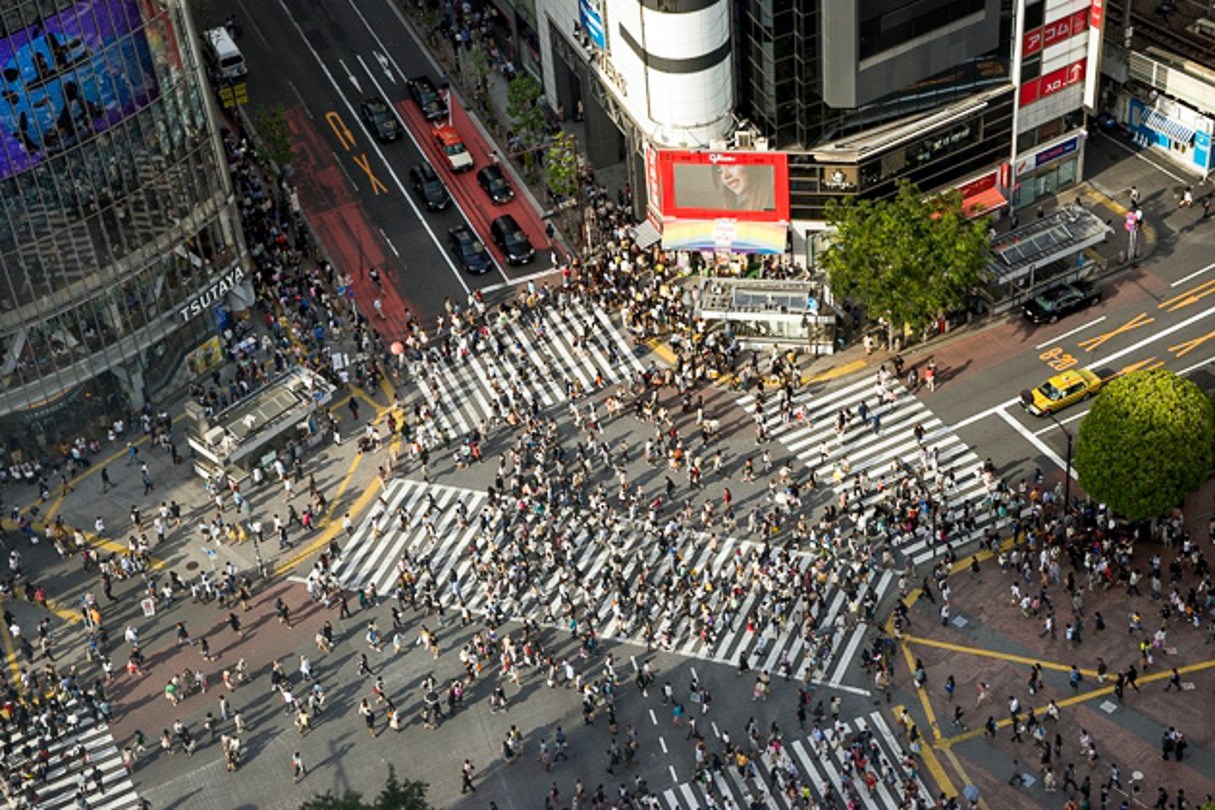
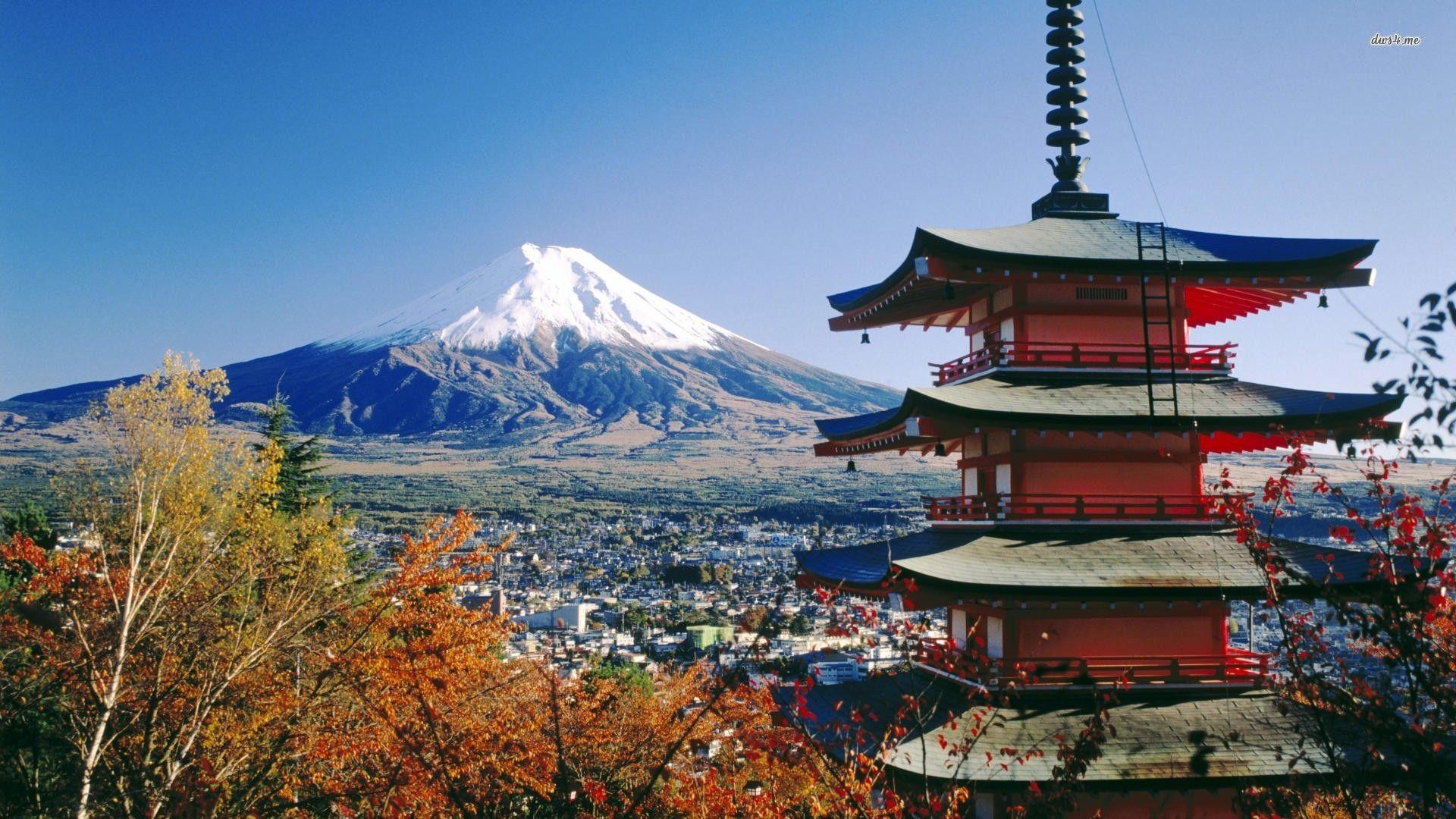
Firstly, it’s beautiful there. The cities are large and sky-scraping, and if you go a few blocks in any direction you can probably find a small forest shrine. You’re usually never more than a few miles away from a shrine or temple. It’s a wonderful mix of ancient/traditional architecture and modern buildings, and the variety of plants and animals are wonderful too. There’s about three types of places you can be in Japan- the city, the country, or completely secluded in nature. Only 1/3 of the land is habitable since the rest is so mountainous, and so there’s still a lot of wilderness in Japan. It’s majestic, and I love it as much as I love the Pacific Northwest.

The three places- city, country and mountain- all in once picture

Secondly, I love the culture. I didn’t get to see any festivals or anything while I was there, but everything about Japan was nice. The politeness of the people there, the vending machines on every corner, hard-to-navigate train stations, everything. Japan just had an atmosphere to it that I enjoyed a lot. I’d been learning some of the language and culture since 6th grade, and finally getting to go there and see it for myself was amazing. Sure, there were a few drawbacks, such as muggy weather (complete with mosquitoes) and sardine-packed Tokyo trains, but even those were worth it.

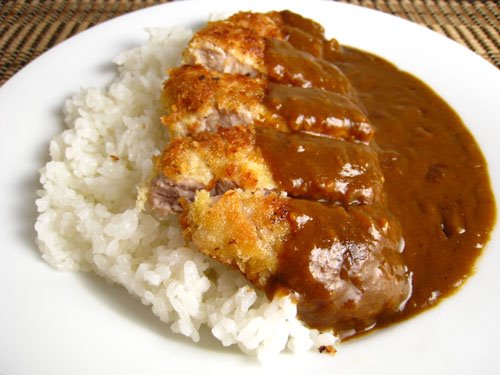
Finally, while the scenery and overall atmosphere of the place were wowing, one of the things I enjoyed the most about Japan was the food. Seriously, everything there is amazing. There are maybe one or two dishes I tried that I didn’t like, but they were outlandish foods like uni (the insides of a sea urchin) and natto (fermented soybeans). Everything else was absolutely delicious. Sukiyaki, katsudon, katsukare, yakitori, yakiniku, onigiri, udon, ramen, sashimi and sushi of all kinds, soup and salad and rice and even ice cream… the list goes on. Even the McDonald’s there tasted like four-star restaurant fare instead of a crappy fast food burger.

Katsukare, a pork cutlet with rice and curry sauce. Yum!

Japan absolutely ruined food for me, because nothing else can ever be that good. Not only was all of the food top tier, but a lot of it was cheap and easy to acquire as well. Something costing under 300-400 yen ($3-$4) was not an indicator of its quality- I regularly acquired inexpensive food that tasted better than any equivalent back home.

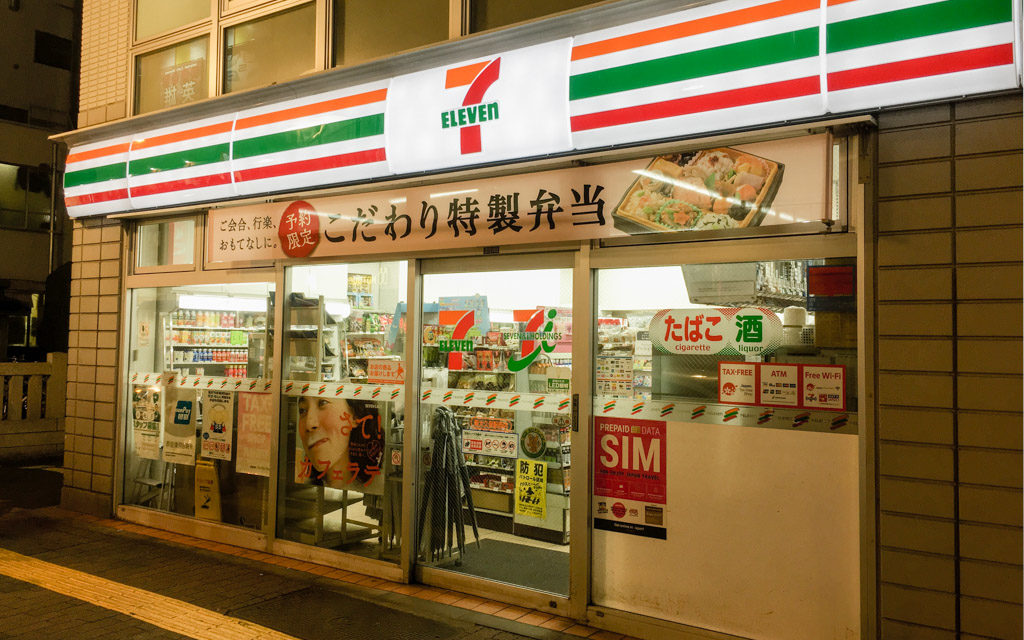
The most astonishing version of this I saw were the convenience stores, or konbini, every few blocks. The most common chain is one familiar to us, 7-Eleven. The first time I walked into a Japanese konbini, expecting the somewhat sketchy food and appearance I was used to in America, I was completely blown off my feet. Not only was the compact building clean and pristine, but the walls were lined with food that actually looked appetizing, as well as being about the same cost as the greasy fare in American convenience stores. Shelf after shelf of breads, noodle cups, sandwiches, onigiri, drinks, packed bento lunches, and more were efficiently placed in the small space. The purchasing counter had a heater full of freshly cooked tempura and meat. People quickly bought their selected items and then left. It was nice and quiet, small but not crowded. It was amazing.

A small sample of the sweet and savory breads they had available
The freshly fried tempura, corokke, chicken, and more
Bento lunches! Convenient and delicious

Two weeks in Japan was too short a time, and I missed it as soon as I left. I would love to visit again for a longer stay, maybe study abroad there? It was a great experience and though every part of the trip was amazing, I wish I could have brought an entire 7-Eleven konbini with me. If you ever travel to Japan, I highly recommend all of their food!

Blue January Sky

I love living in the Pacific Northwest for multiple reasons. No oppressive heat, very few poisonous animals, good mid-sized cities (except for Portland), and access to almost anything you could need within a few miles of civilization. The biggest reason, however, is the beauty. I love Oregon. There’s always green somewhere. In the summer, everything is lush and bright and green; in the fall, everything is crisp and colorful and sharp; in the winter, everything is chilly and stark and fashionably bare; in the spring, everything is blossoming and clean and new. Some say we only get two seasons (wet, and less wet) but I think we just get mild, pleasant versions of all four. And I absolutely love it.

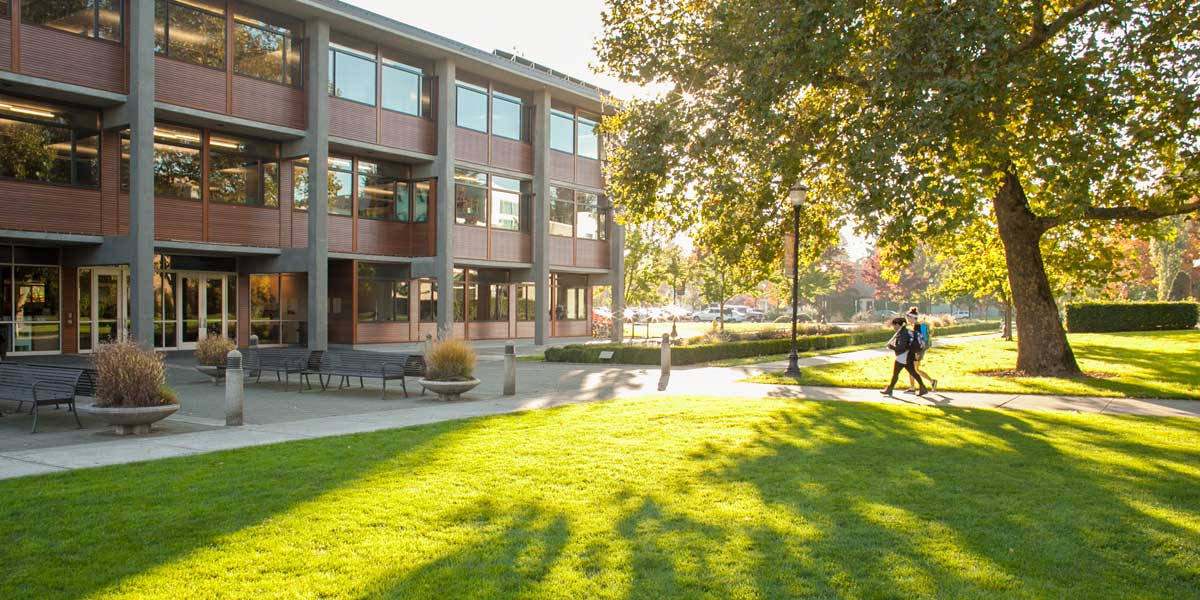
With that being said, part of the reason I love my college, George Fox University, is the beautiful Oregon campus. Trees everywhere, soft green lawns, cozy college buildings, and the spiraling clocktower in the middle of the Quad. This may only be my second semester, but everything about GFU feels like home. I felt inspired to write this short blog post when I was walking back from class today, feeling and enjoying the chill around me, just kind of mindlessly strolling in the general direction of my dorm. Many people don’t see the beauty in an Oregon winter- we rarely get snow, so it’s usually just bare deciduous trees interspersed with conifers, squishy mud, and freezing air. But as I was walking today, I felt the impulse to look up. When I did, I saw the sky. It was beautiful- a light solid blue spotted with white puffs of cloud. It looked like a sky in the summer, but somehow it was even prettier because of the stark January-ness in the atmosphere. There was something mystical and wonderful about it… and I would have missed it if I didn’t look up.

Did you ever notice that? People don’t look up. They look down at their feet walking on the pavement when they want to avoid eye contact, as I do frequently. They look at their phones to check a text or the time. They will glance around them at the scenery sometimes, at the crowds of people, maybe talking to someone next to or in front of them. Occasionally, they may even quickly look behind. But they don’t look up. No one ever thinks to. It amazes me every time I point out to someone the luminous half moon in an evening sky, or a particular cloud that reminds me of something, or the way the sun comes through the leaves, or a bird flying overhead, how so many of these little things go unnoticed. How much beauty in the world do we miss by never looking up to appreciate the sky, to notice the tops of things that only the birds get to see? To wonder what it would be like to fly? It’s amazing how much of God’s creation goes unseen by distracted human eyes. He made these wonderful things for us, and the least we can do is appreciate them.

Design a site like this with WordPress.com
Get started